
Choosing the Right Footwear for Pakistan's Climate and Culture
Posted on 14 Sep 2026 by Salma Roshan
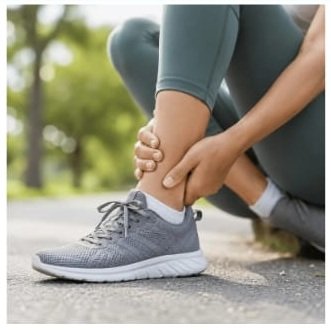
More foot problems trace back to footwear than almost any other single factor — and Pakistan's climate, culture and daily routines create some genuinely unique footwear challenges. This guide offers practical, foot-health-first advice for choosing shoes that suit real Pakistani life, not just imported advice that doesn't account for our weather, prayer routines, or market realities.
Summer: balancing coolness with protection
Open chappal and sandals feel essential in Pakistan's summer heat, but they offer little support or protection — fine for short trips, but risky as all-day footwear, especially for anyone with diabetes or existing foot pain. Where possible, choose sandals with a proper footbed and ankle or heel strap rather than completely flat, unsupported slip-ons, and save fully open chappal for home or short errands rather than a full day of standing or walking.
Monsoon: fungal risk and wet feet
During the humid monsoon months, prioritise footwear that dries quickly and doesn't trap moisture — genuine leather or breathable canvas rather than synthetic materials. Keep a spare pair of socks with you if you know you'll be caught in rain. Avoid walking for long periods in shoes that are still damp from the day before; alternate between at least two pairs so each has time to fully dry.
Winter: warmth without cutting off circulation
Closed, insulated shoes help protect against chilblains and support circulation in cold weather, which matters even more for diabetic patients and anyone with reduced circulation. Avoid shoes that are too tight, however — a shoe that restricts blood flow in the name of warmth can do more harm than good. Wool or thick cotton socks (avoiding tight elastic tops) are usually a better solution than an overly snug shoe.
Prayer-friendly footwear
Many patients walk to and from the mosque, remove shoes for prayer, and walk barefoot on mosque floors multiple times a day. Easy-to-remove footwear is understandably practical, but where possible choose shoes that still offer some arch support rather than completely flat slip-ons, and be extra mindful of foot hygiene given the frequent barefoot contact with shared floors — drying feet thoroughly afterward reduces fungal infection risk significantly.
Standing all day at work
Shopkeepers, tailors, teachers and household staff who stand for most of the day benefit enormously from cushioned, supportive footwear with a proper arch — this single change can meaningfully reduce plantar fasciitis and general foot fatigue. If your job requires standing on hard tile or concrete floors, a good insole (ideally a custom orthotic if you already have foot pain) makes a real difference over a full working day.
General buying rules that apply year-round
There should be roughly a thumb's width of space between your longest toe and the front of the shoe. The toe box should be wide enough that your toes aren't compressed sideways — a common issue with pointed dress shoes. Buy shoes later in the day when feet are slightly more swollen from daily activity, rather than first thing in the morning. If a shoe feels uncomfortable in the shop, it will not "break in" enough to fix that — trust that discomfort.
If you already have foot pain
No amount of good footwear advice replaces a proper assessment if you're already dealing with pain, a diagnosed condition, or diabetes. Bring your regular shoes to your appointment — we're happy to assess whether your current footwear is helping or contributing to your foot problem.
Need footwear or foot health advice specific to your situation? Call 051-2287311 or WhatsApp 0333-5119317.