Corn and Callus Removal: Safe Professional Care vs Risky Home Remedies
Posted on 08 Sep 2026 by Salma Roshan
Corns and calluses are extremely common, and so is the temptation to deal with them at home — a family razor blade, a pair of nail scissors, an acid-based corn plaster from the pharmacy, or an inherited home remedy. Unfortunately, this is also one of the most common ways patients end up with an infected wound, which is why we want to explain what's actually happening and what safe treatment looks like.
Understanding the difference
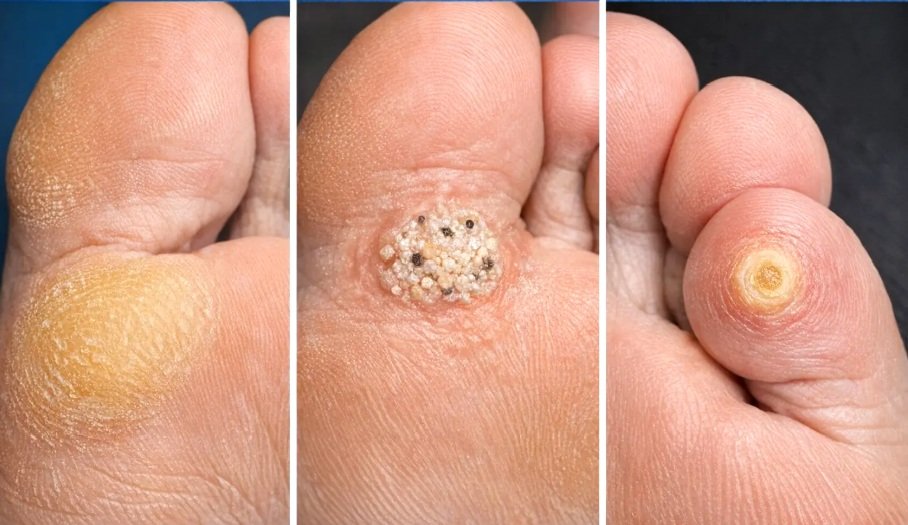
A callus is a broad area of thickened skin caused by repeated friction or pressure, commonly on the ball of the foot or heel, often linked to flat, hard-soled footwear or long hours standing. A corn is smaller and more concentrated — a cone-shaped area of hard skin that presses inward, often between or on top of the toes, and can be surprisingly painful for its size because the pressure is focused on a small point. Both form as the skin's natural (but misguided) attempt to protect itself from ongoing friction or pressure.
Why home blade-cutting is genuinely dangerous
Cutting hard skin with a razor blade requires more precision than most people realise — it's very easy to cut too deep, especially once the hard, less sensitive top layer gives way to normal skin underneath. This creates an open wound in an area that is under constant pressure and friction from walking, which is exactly the wrong environment for healing. For anyone with diabetes or reduced circulation, this single act — a home blade cut that seems minor at the time — is one of the most common starting points for a serious diabetic foot wound.
The problem with acid corn plasters
Over-the-counter corn plasters and liquid treatments typically contain salicylic acid, which chemically breaks down hard skin. Used without guidance, the acid doesn't distinguish between the corn and the healthy skin around it, and can cause chemical burns to surrounding tissue — a particular risk for diabetic patients and anyone with sensitive or thin skin.
What professional debridement actually involves
At Roshan's Foot Care, we use a sterile scalpel to precisely and painlessly reduce corns and calluses in a single visit — because the hard, thickened skin itself has no significant nerve supply, correct professional debridement is genuinely painless, unlike the self-cutting most patients have tried at home. This immediately relieves pressure and pain, without creating an open wound, because the technique removes only the excess hard layer rather than cutting into live tissue.
Addressing the real cause
Removing the hard skin brings quick relief, but corns and calluses return if the underlying cause — usually footwear, gait, or an area of abnormal pressure — isn't addressed. We assess footwear fit, walking pattern, and pressure distribution, and where needed recommend better-fitting shoes, protective padding, or custom orthotic insoles to redistribute pressure away from the problem area long-term.
Simple home care between professional visits
Gentle use of a pumice stone on damp skin (never a blade) can help manage mild build-up between visits. Regular moisturising keeps skin more supple and less prone to hardening. Well-fitted, cushioned footwear reduces the friction and pressure that cause corns and calluses in the first place.
Book your corn or callus removal: call 051-2287311 or WhatsApp 0333-5119317.