Ingrown Toenails: Causes, Prevention and Safe Treatment in Pakistan
Posted on 30 Aug 2026 by Salma Roshan
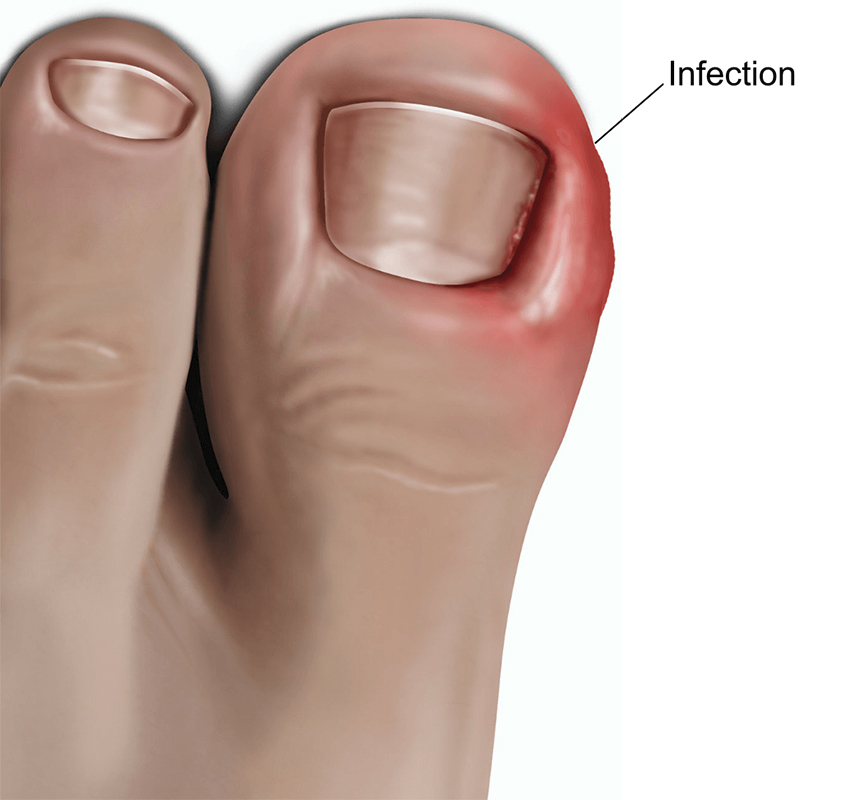
Almost every patient who comes to us with an ingrown toenail has already tried to fix it themselves — usually with a blade, a pair of scissors, or simply digging at the edge of the nail with a fingernail. Almost every time, this makes the problem worse. This article explains why ingrown toenails happen, why home treatment so often backfires, and what safe, effective treatment actually looks like.
What is an ingrown toenail?
An ingrown toenail occurs when the edge or corner of a nail — almost always the big toe — grows into the surrounding skin rather than over it. The skin responds with inflammation: redness, swelling, tenderness, and often sharp pain whenever anything, including a shoe, presses on the area.
The real causes
The most common cause by far is incorrect nail cutting — rounding the corners of the nail instead of cutting straight across, or cutting nails too short. Tight, narrow or pointed shoes are the second major cause, pressing the skin against the nail edge until it grows inward. Less commonly, an old injury to the toe, a naturally curved nail shape, or repeated pressure from sport or heavy walking contribute.
Why home "surgery" makes it worse
Cutting deeper into the ingrown corner with a blade, in an attempt to remove the offending piece of nail, almost always leaves a sharp fragment still embedded in the skin, or creates a fresh wound at the site of an already inflamed, bacteria-prone area. The result is usually more pain, a higher chance of infection, and a nail that grows back with the same problem — sometimes worse than before. For anyone with diabetes or reduced circulation, self-treatment carries a genuinely serious infection risk and should never be attempted.
What safe professional treatment looks like
At Roshan's Foot Care, we use sterile instruments to carefully and painlessly trim and lift the ingrown edge of the nail, clean the area thoroughly, and apply appropriate antiseptic care. For nails that repeatedly become ingrown despite good cutting technique and footwear, we discuss non-surgical correction options that address the underlying nail shape, and where appropriate can advise when referral for a minor nail procedure would give a more permanent fix.
How to cut your nails correctly (to prevent recurrence)
Always cut straight across, level with the top of the toe — never curved down into the corners, however tempting it feels. Don't cut nails too short; leave a small white edge visible. Use a proper nail clipper, not scissors, and avoid tearing or picking at nail edges by hand. If your nail naturally curves inward regardless of cutting technique, this is worth discussing with a podiatrist rather than fighting it yourself every few weeks.
Footwear advice
Choose shoes with a wide enough toe box that your toes are not compressed sideways — a genuine problem with many narrow, pointed dress shoes and tight sandals sold in local markets. If a particular pair of shoes consistently causes toe pain or pressure, it is worth retiring them rather than persisting through discomfort.
When to see us urgently
If the area around your nail is significantly swollen, warm, producing discharge, or the pain is severe and worsening, see a podiatrist promptly rather than continuing to manage it at home — this can indicate an infection that needs professional treatment.
In pain from an ingrown toenail right now? Call 051-2287311 or WhatsApp 0333-5119317 for an appointment.