Plantar Fasciitis and Heel Pain: Causes, Symptoms and Real Relief
Posted on 11 Sep 2026 by Salma Roshan
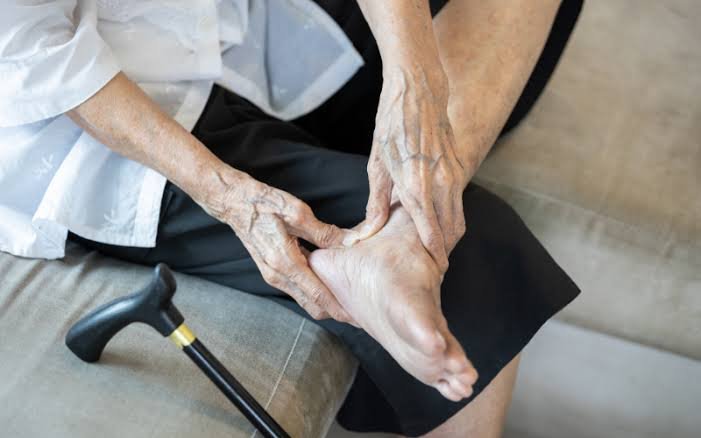
If the first few steps you take every morning bring a sharp, stabbing pain in your heel that eases as you keep walking, only to return after standing or sitting for a while — you are describing one of the most recognisable patterns in podiatry: plantar fasciitis, and by far the most common cause of heel pain we treat at Roshan's Foot Care.
What's actually happening
The plantar fascia is a thick, fibrous band of tissue running along the bottom of the foot, connecting the heel bone to the base of the toes. It supports your arch and absorbs shock with every step. When it comes under repeated stress — from poor arch support, sudden increases in standing or walking, tight calf muscles, or excess weight — small tears and inflammation develop at its attachment to the heel bone, causing pain that is characteristically worst first thing in the morning, because the tissue tightens overnight and is then suddenly stretched with your first steps.
Who is most at risk in Pakistan
People who stand for long hours — shopkeepers, tailors, teachers, security guards, household staff; people with flat feet or unusually high arches, both of which change how load travels through the plantar fascia; those who spend long periods walking in flat, unsupportive chappal or sandals rather than proper shoes; people who have gained weight, increasing load on the foot; and anyone who has suddenly increased walking or standing activity, which we commonly see after Ramadan as Taraweeh walking adds significant extra activity for many people.
Is it a heel spur?
Many patients ask about heel spurs — a small calcium deposit that can form on the heel bone. While spurs are sometimes present alongside plantar fasciitis, research and clinical experience both show the spur itself is rarely the actual cause of pain; the inflamed plantar fascia tissue is almost always the real source, which is why treatment focuses on the fascia rather than the spur.
Effective treatment, in order
1. Footwear correction: supportive, cushioned shoes with proper arch support, moving away from flat, unsupportive sandals for daily wear. 2. Stretching: specific stretches for the plantar fascia and calf muscles, done consistently, particularly before getting out of bed in the morning. 3. Custom orthotic insoles: designed for your specific foot shape and pressure pattern, these reduce strain on the fascia far more effectively than a generic shop insole. 4. Activity modification: temporarily reducing high-impact activity while the tissue heals, without becoming completely inactive. 5. Further care: for cases not improving with these steps, we can discuss additional options including referral for physiotherapy.
How long does recovery take?
Most patients notice real improvement within 2–6 weeks of consistent treatment — the word "consistent" matters, since stretching and proper footwear only work if done regularly, not occasionally. Cases left untreated for many months tend to take longer to resolve, which is why early assessment matters.
When to see us
If heel pain has lasted more than one to two weeks, is affecting how you walk, or keeps returning despite rest, book an assessment rather than waiting for it to resolve on its own.
Book your heel pain assessment: call 051-2287311 or WhatsApp 0333-5119317.