
Foot Care Tips for the Elderly and During Ramadan Taraweeh Walking
Posted on 17 Sep 2026 by Salma Roshan
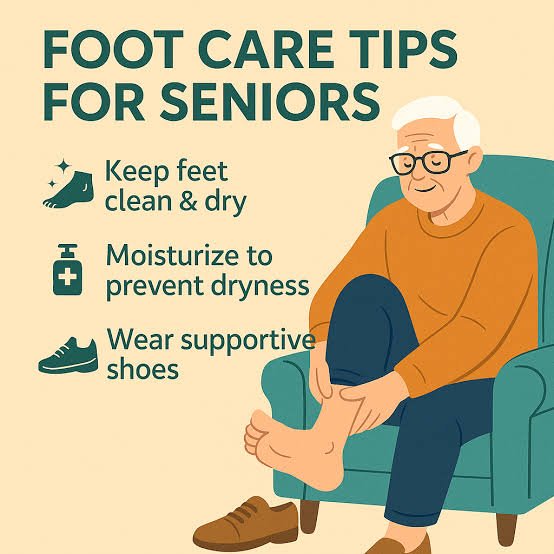
This article covers two very different situations that we're asked about often at Roshan's Foot Care: caring for the feet of elderly family members, and managing the sudden increase in walking and standing that comes with Ramadan, particularly Taraweeh prayers. Both share a common thread — strain on the feet that builds up gradually and is easy to underestimate until it becomes painful.
Why elderly feet need extra attention
As we age, several changes make foot problems both more likely and harder to catch early. Nails naturally thicken and become harder to trim safely. Skin becomes thinner and drier, making cracks and tears more likely. Circulation often reduces, slowing healing. Eyesight and flexibility can make it physically difficult for an elderly person to see or reach their own feet to check them properly. And many elderly patients in Pakistan also live with diabetes, adding the serious risks described elsewhere on our blog.
Practical support for elderly family members
If you have an elderly parent or grandparent, a simple weekly habit of helping them look at the soles and sides of their feet — checking for cuts, colour changes, swelling or dryness — can catch problems long before they become painful. Elderly patients who cannot safely trim their own thickened nails should have this done professionally every 6–8 weeks rather than risking a cut with home scissors or blades. Simple daily moisturising (avoiding the area between the toes) helps prevent the dry, cracked skin that becomes common with age. Well-fitted, supportive shoes matter even more for elderly patients, both for comfort and to reduce fall risk from ill-fitting or worn-out footwear.
Bringing an elderly relative to our clinic
Many of our clients are adult children bringing in an elderly parent for a foot check, nail care, or treatment of a condition the parent may not have mentioned themselves. This is genuinely one of the most valuable things you can do for an elderly family member's overall health and mobility — foot pain is a leading, often overlooked cause of reduced activity and fall risk in older adults.
Ramadan and Taraweeh: sudden extra activity
For many people, Ramadan brings a significant jump in walking and standing — nightly Taraweeh prayers, extra mosque visits, and for some, more evening activity generally once the fast is broken. This sudden increase, especially in flat, unsupportive footwear or after a period of less activity during the day, is a common trigger for plantar fasciitis and Achilles tendon strain, which we see rise noticeably during and just after Ramadan every year.
Practical Ramadan foot care
Choose supportive, cushioned footwear for mosque visits rather than the flattest, most minimal sandals, even though they're easiest to remove and carry. If you already have foot pain or a diagnosed condition like plantar fasciitis, don't wait until Ramadan to get it assessed — treating it beforehand means you can manage the extra walking far more comfortably. Stay well hydrated during non-fasting hours, since dehydration affects circulation and skin health, including in the feet. If new heel or foot pain develops during Ramadan, a short course of treatment can usually bring real relief within the month rather than needing to simply "push through" until Eid.
A shared message
Whether it's an elderly relative who can no longer check their own feet, or extra walking during a busy religious season, the same principle applies: feet that carry extra or changing strain deserve a little extra attention, and small, regular care prevents far more serious problems later.
Book a foot check for yourself or a family member: call 051-2287311 or WhatsApp 0333-5119317.