Bunions in Pakistan: Why They Happen and Non-Surgical Treatment Options
Posted on 02 Sep 2026 by Salma Roshan
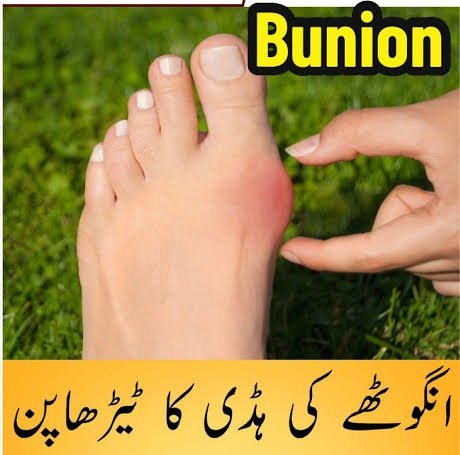
A bunion — a bony bump that forms at the base of the big toe, gradually pushing the toe inward toward the others — is one of the most common foot deformities we see at Roshan's Foot Care, and one that worries patients the most, because many assume surgery is the only option. It isn't, especially if the condition is caught and managed early.
What actually causes a bunion
Genetics plays the biggest role — if a parent or grandparent had bunions, you're at higher risk regardless of footwear. However, footwear significantly accelerates and worsens the condition: tight, narrow, or pointed shoes, and high heels, all push the toes into an unnatural position and increase pressure on the big toe joint over years of wear. This is a real concern in Pakistan, where many fashionable shoes and sandals sold in local markets prioritise a narrow, pointed shape over toe room.
How bunions progress
Bunions typically develop slowly over years, not months. Early on, there may be only a mild bump with no pain. As the deformity progresses, the joint can become red, swollen and painful, especially in shoes; a corn or callus may develop where the bunion rubs against footwear; and in advanced cases, the big toe can overlap or crowd the second toe, sometimes affecting balance and gait.
Why non-surgical treatment matters
Surgery for bunions is a real and sometimes necessary option for severe, advanced deformities, but it involves recovery time, cost, and is not something to consider lightly for a mild-to-moderate bunion causing manageable discomfort. Conservative, non-surgical management can very effectively reduce pain and significantly slow progression — for many patients, this means avoiding surgery altogether or delaying it for years.
Our conservative treatment approach
We start with a proper assessment of your footwear, gait and pressure pattern. From there, treatment typically includes: recommending wider, softer, properly fitted shoes that don't compress the toe; custom padding or toe spacers to reduce friction and redistribute pressure away from the joint; custom orthotic insoles in some cases, to correct the pressure pattern that is driving the deformity; and simple exercises that may help maintain flexibility in the toe joint. None of this reverses the bony change that has already happened, but it very reliably reduces pain and slows further progression.
Footwear rules that actually help
Choose shoes with a wide, rounded toe box rather than a pointed one. Make sure there is roughly a thumb's width of space between your longest toe and the end of the shoe. Avoid heels higher than about two inches for daily wear. If you love a particular pair of shoes that consistently causes bunion pain, save them for occasions rather than daily wear.
When surgery becomes the right conversation
If pain is severe, significantly limiting daily activity, and not responding to conservative care, or if the deformity is advanced enough to affect the other toes, we will discuss this honestly and can refer you to an appropriate surgical specialist. Surgery is a legitimate option — it simply shouldn't be the first one considered for every bunion.
Book your bunion assessment: call 051-2287311 or WhatsApp 0333-5119317.