
Diabetic Foot Care in Pakistan: A Complete Guide for Diabetics
Posted on 21 Aug 2026 by Salma Roshan
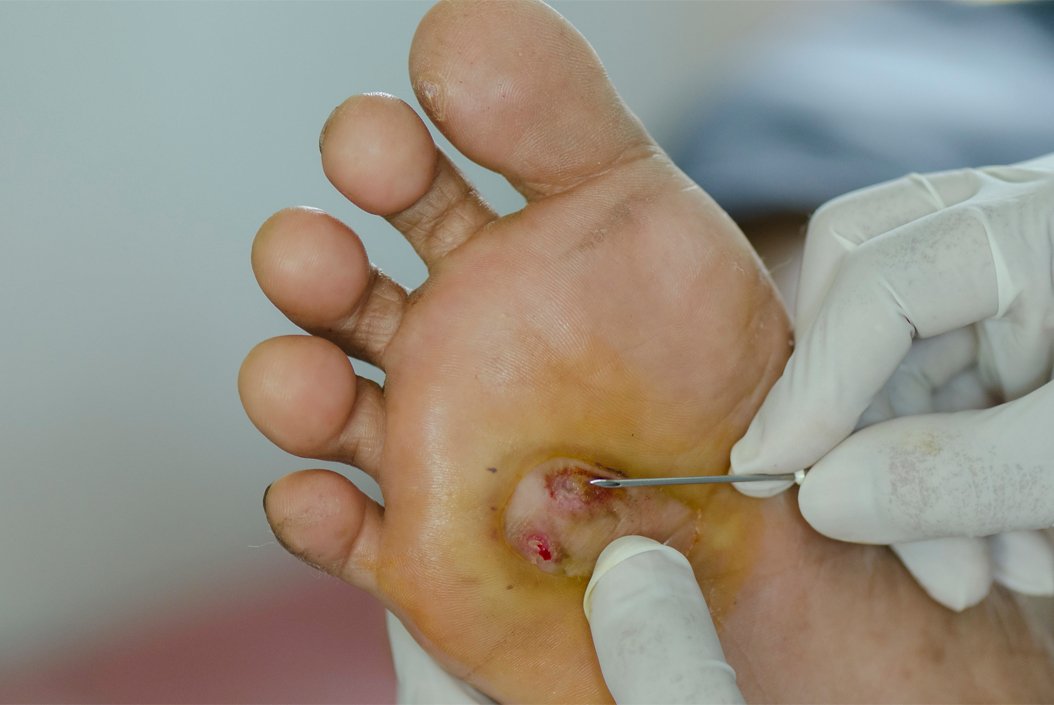
Pakistan is now among the countries with the highest prevalence of diabetes in the world, with estimates suggesting more than a quarter of Pakistani adults live with the condition. Yet diabetic foot care — one of the most important and most preventable parts of diabetes management — remains poorly understood by most patients and families. This guide explains, in plain language, why diabetic feet need special attention, what to check for, and how to build a simple daily routine that fits real Pakistani homes and lifestyles.
Why diabetes is so dangerous for feet
Persistently high blood sugar damages two systems that protect your feet: circulation and nerves. Reduced blood flow (peripheral vascular disease) means wounds heal more slowly and the body fights infection less effectively. Nerve damage (peripheral neuropathy) means many diabetic patients gradually lose the ability to feel pain, heat, or pressure in their feet. This combination is exactly why a small cut, a blister from a new pair of shoes, or a stone caught in a sandal can turn into a serious wound without the patient even noticing it happening.
The daily 5-minute check every diabetic patient should do
Every evening, sit down in good light — or ask a family member to help if you cannot see the soles of your own feet clearly — and check for: any cuts, scratches or blisters, however small; redness or unusual warmth in one area; swelling; dry, cracked skin, especially around the heels; changes in nail colour or thickness; and any unusual smell. This single habit, taking less time than making a cup of chai, is the single most effective way to prevent a minor issue becoming a major one.
Footwear advice specific to Pakistan
Avoid walking barefoot at home, in the courtyard, or even for wudu — diabetic feet with reduced sensation cannot reliably feel a sharp object underfoot. Choose well-fitted, cushioned, closed-toe shoes rather than open chappal for daily wear, and always check inside your shoe before putting it on, since small stones or debris are common on Pakistani streets and can go unnoticed by a numb foot. Some patients are allergic to certain plastic, rayon or synthetic shoe materials — if you notice irritation from a particular shoe material, switch to genuine leather or breathable cotton-lined footwear. In winter, wear covered, insulated shoes to protect against chilblains and to help maintain circulation in the cold.
Nail and skin care
Diabetic patients should never aggressively self-cut nails or attempt to remove corns and calluses with a blade at home — this is one of the most common causes of diabetic foot wounds we see at our clinic. Nails should be trimmed straight across by a professional, or very carefully at home if sensation and eyesight allow. Cracked heels and hard, callused skin, which can hide pressure damage underneath, should be managed with regular professional debridement and a good moisturiser — but never applied between the toes, where excess moisture can encourage fungal infection.
Managing circulation and general foot health
Simple exercises can help support circulation: gentle ankle circles, toe curls, and even rolling a tennis ball under the foot for a few minutes daily can improve blood flow and reduce numbness in some patients. Avoid sitting with legs crossed for long periods, as this further restricts circulation. Keep blood sugar as well controlled as your doctor recommends — every improvement in blood sugar control directly reduces foot complication risk over time.
Warning signs that need immediate attention
See a podiatrist or doctor immediately — do not wait — if you notice: a wound or blister that is not healing within a few days; any wound with pus, unusual smell, or spreading redness; a foot that is significantly warmer or more swollen than the other; a new area of numbness or tingling; or any colour change toward blue, grey, black or very pale skin. These can be signs of infection or reduced blood supply that need urgent professional care, not home remedies.
Why regular professional check-ups matter
Even with excellent home care, we recommend diabetic patients have a professional foot screening every 4–6 weeks if any nerve or circulation changes are already present, and at minimum every 2–3 months otherwise. At Roshan's Foot Care in F-8 Markaz, Islamabad, our diabetic foot checks include a full visual and sensation assessment, safe nail and hard-skin care, and practical, judgement-free guidance suited to your daily life — not generic advice copied from a Western textbook.
If you or an elderly family member has diabetes, don't wait for pain before getting a foot check — by the time diabetic feet hurt, the underlying problem is often already advanced. Call 051-2287311 or WhatsApp 0333-5119317 to book a diabetic foot screening, or use the contact form on this page.