Flat Feet and Custom Orthotics: A Practical Guide for Pakistani Patients
Posted on 05 Sep 2026 by Salma Roshan
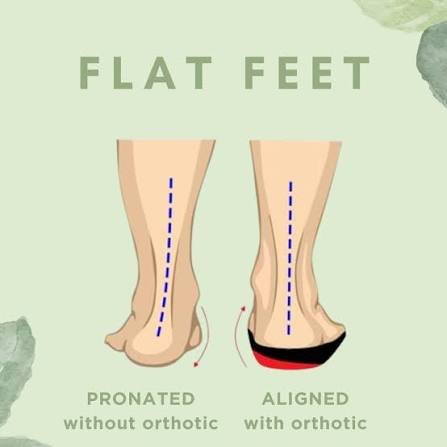
"Flat feet" is one of the most common foot concerns Pakistani patients ask us about — often brought up almost apologetically, as though it's a minor cosmetic issue. In fact, flat feet (medically called pes planus) can be a genuine source of pain in the feet, knees, hips and lower back if left unsupported, and understanding the condition properly is the first step to real relief.
What flat feet actually means
Flat feet occur when the arch on the inside of the foot is lower than normal, or completely absent, so the whole sole makes more contact with the ground than it should. This is often linked to over-pronation — the foot rolling too far inward with each step — which changes how weight and impact travel up through the ankle, knee and hip.
Flat feet in children vs adults
Many young children have naturally flatter feet as their arch is still developing, and this often improves on its own by age 6–10. However, if a child complains of foot pain, tires quickly when walking, or the flat-footedness seems unusually pronounced, it's worth a professional check rather than assuming it will simply resolve. In adults, flat feet may be lifelong, or can develop later due to weight gain, pregnancy, ageing, or an injury affecting the tendons that support the arch.
Why generic insoles from the medical store often don't help
As podiatrist Salma Roshan has noted publicly, insoles are universally available in Pakistani medical stores, but they are not customised, and for genuine relief a patient should visit a podiatrist for a properly fitted, customised wedge or support. Every foot has a different arch height, pronation pattern and pressure distribution — a generic insole is built to an "average" shape that may not match your foot at all. At best it does nothing; at worst it creates new pressure points and discomfort in a different part of the foot.
How a custom orthotic assessment works
At Roshan's Foot Care, we assess your arch type and pronation pattern while standing and walking, identify exactly which parts of your foot need more or less support, and design or select an orthotic matched to your specific foot shape and the shoes you wear most often for daily life. This is very different from simply handing over a generic insole and hoping for the best.
Who benefits from custom orthotics
People with visibly flat or fallen arches; anyone with recurring arch, heel or knee pain connected to how they stand and walk; people who are on their feet for long hours at work; growing children showing signs of unusually flat feet with associated pain; and patients already being treated for plantar fasciitis, bunions or Achilles tendinopathy, where pressure redistribution supports the main treatment plan.
What to expect
Most patients notice reduced fatigue and pain within a few weeks of consistent orthotic use, though it can take some time to fully adjust to wearing them. We recommend a follow-up visit after a few weeks of use to check fit and make any needed adjustments.
Book your flat feet assessment and custom orthotic fitting: call 051-2287311 or WhatsApp 0333-5119317.