
Fungal Foot Infections in Humid Pakistani Summers: Causes & Cures
Posted on 27 Aug 2026 by Salma Roshan
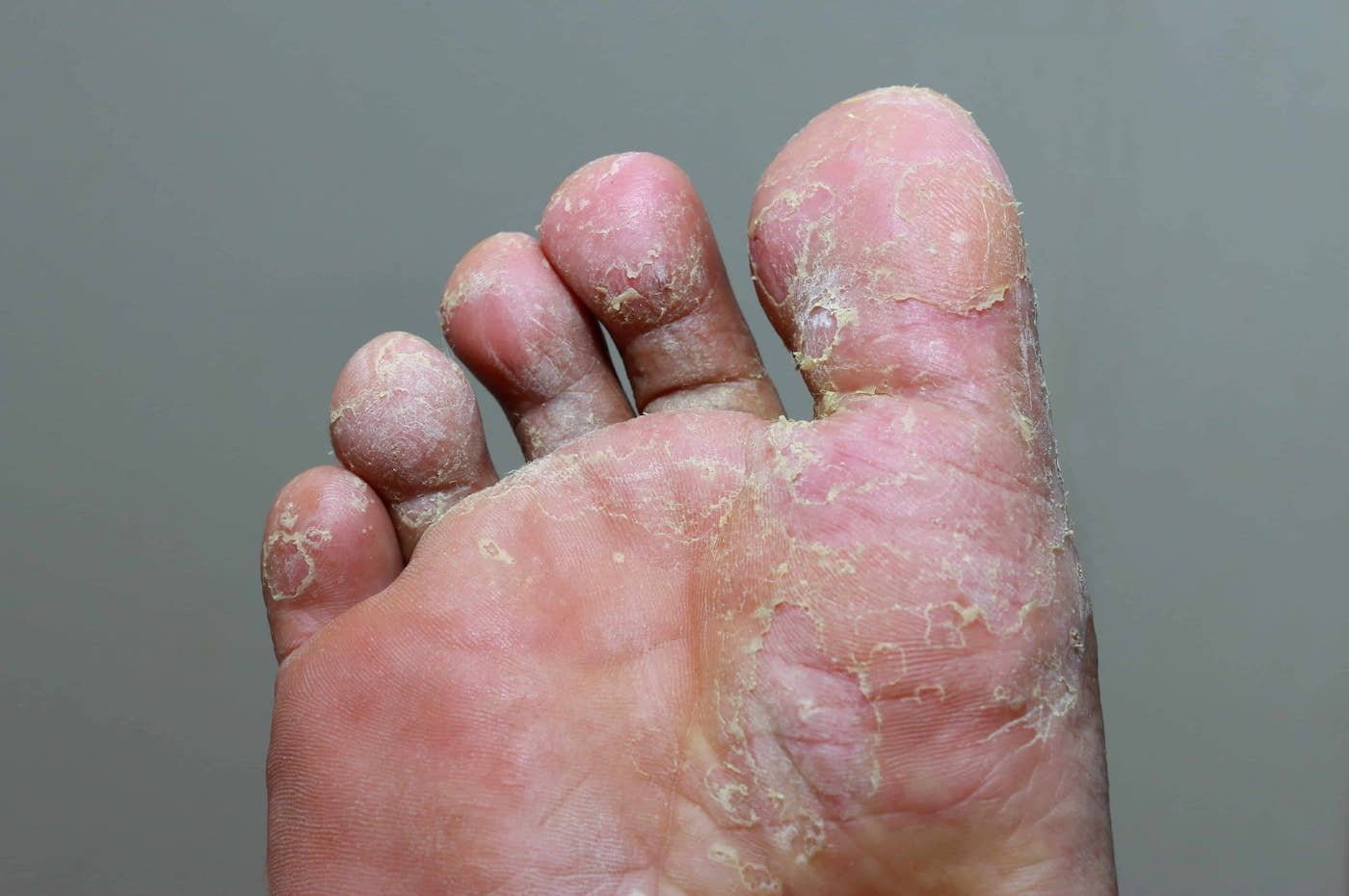
If you notice more itching, peeling skin, or discoloured nails during Pakistan's hot, humid months — especially through the monsoon season from July to September — you're not imagining it. Fungal foot infections spike dramatically during this period, and understanding why can help you avoid becoming one of the many patients we see at Roshan's Foot Care every summer.
Why fungus thrives in Pakistan's climate
Fungal organisms need warmth, moisture and darkness to multiply — and closed shoes worn over sweaty feet during hot weather provide exactly that environment for hours every day. Monsoon rain soaking through shoes and socks, high ambient humidity that prevents feet from fully drying, and communal spaces such as mosque wudu areas, shared prayer mats, public showers and swimming pools all add opportunities for fungal spores to spread from person to person.
The two forms we see most often
Athlete's foot (tinea pedis) affects the skin, typically starting between the toes with itching, redness, peeling or cracking, and can spread across the sole if untreated. Fungal nail infection (onychomycosis) affects the nail itself, causing thickening, yellow or brown discolouration, crumbling, and sometimes a mild odour — this form is more stubborn because the fungus is protected under the hard nail plate, making it much harder to treat than a skin infection alone.
How the two are connected
Athlete's foot very commonly spreads into the toenail if left untreated, especially in someone who keeps wearing damp, enclosed shoes. This is why treating early skin symptoms quickly is so important — once fungus reaches the nail, treatment takes significantly longer and is harder to fully clear.
Treatment that actually works
For skin infections, topical antifungal treatment combined with strict moisture control usually clears the infection within a few weeks, provided the underlying damp environment is also addressed. For nail infections, professional debridement — safely reducing the thickened, infected nail material with sterile instruments — both improves comfort and appearance immediately and allows antifungal treatment to actually reach the infection more effectively. More severe or long-standing nail fungus sometimes needs oral antifungal medication prescribed by a physician, working alongside the podiatry care.
Practical prevention for the monsoon and summer months
Dry your feet thoroughly, especially between the toes, after wudu, bathing, or getting caught in rain. Change into dry socks immediately if your feet get wet or sweaty during the day — carrying a spare pair in your bag during monsoon season is genuinely worthwhile. Rotate between at least two pairs of shoes so each pair has a full day to dry out completely before being worn again. Choose breathable materials — genuine leather or canvas — over synthetic materials that trap moisture. Avoid walking barefoot on wet floors in shared or public spaces. Never share nail cutters, socks or footwear within the household, since fungal infections spread easily this way between family members.
When to see a podiatrist
See us early if you notice persistent itching or peeling that doesn't improve within a week or two of basic hygiene care, if a nail starts changing colour or thickness, or if the infection appears to be spreading. Early treatment is faster, cheaper, and far more comfortable than treating an infection that has been left for months.
Book a fungal infection assessment: call 051-2287311 or WhatsApp 0333-5119317.